

Serving Families Across Utah and Beyond
What Does The Treatment Journey at ThreePeaks Ascent Look Like?
The name “ThreePeaks Ascent” comes from the three pillars of our treatment model. When your teen arrives at ThreePeaks Ascent, the first pillar of treatment is assessment and stabilization, followed by the second pillar being engagement and skill development. Lastly, the third pillar aims at helping them build confidence, skills, and the independence needed to move forward.
What is Short-term Residential Treatment for Teens?
Short-term residential treatment is a structured treatment program where teens live in a supportive therapeutic environment for 8-12 weeks, while receiving consistent therapeutic care, and residential and academic support. Living in a new environment, without the distractions of everyday life, allows for each teen to focus on growth and healing.
This level of treatment offers a level of consistency that outpatient therapy cannot provide. In a matter of just a few months, teens are able to stabilize in a safe environment where their treatment team can get to the root causes of their emotional, behavioral, and mental health struggles. A treatment plan is then created for them to treat their specific needs.
Teens participate in:
- Individual therapy
- Group therapy
- Family therapy
- Ongoing progress monitoring and support
Our approach focuses not only on managing the current crisis, but also on identifying ongoing support needs and helping teens develop the skills needed for long-term success.

ThreePeaks Ascent at a Glance
- Short-term residential treatment for teens ages 12–17
- Average length of stay: 8–12 weeks
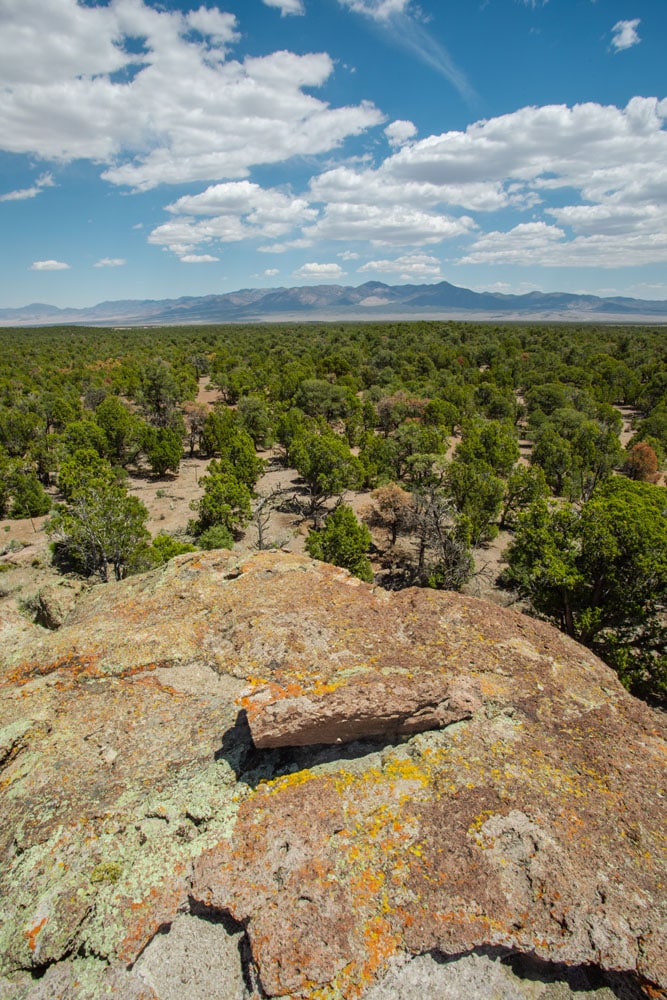
- Nature-based and distraction-free environment
- Individual, group, and family therapy
- Helps teens struggling with anxiety, depression, trauma, school refusal, technology overuse, and behavioral challenges
- Located in Utah
- Insurance may cover treatment costs
The Journey to Healing Insights from ThreePeaks Ascent Alumni

At ThreePeaks Ascent, we value tracking the treatment outcomes of our students to keep track of what is working well in our treatment approach, and where we can improve. We start measuring the progress of each student from the beginning of their treatment journey with us, through discharge from the program, using the same scientifically validated survey.
93% of parents
reported satisfaction with the quality of treatment their child received.
98% of students
reported putting significant effort into completing the program.
What Mental Health Conditions Are Treated at ThreePeaks Ascent?
At ThreePeaks Ascent, teens who struggle with a variety of mental health, emotional, and behavioral challenges, such as depression, anxiety, trauma-related concerns, and behavioral issues. Our experienced clinical team values understanding each teen, figuring out their specific needs, and creating a treatment plan that is tailored to fit them.
At ThreePeaks Ascent, students get help with:
- Adoption Issues
- ADHD
- Anxiety
- Attachment Issues
- Attention-deficit/Hyperactivity Disorder (ADHD)
- Autism Spectrum Disorder (ASD)
- Compulsive Disorder
- Depression
- Emotional Disorders
- Family Issues
- Oppositional Defiant Disorder (ODD)
- Post-traumatic stress disorder (PTSD)
- School Refusal
- Substance Use Disorders
- Trauma
- and Many More
What Kind of Clinical Care Does ThreePeaks Ascent Provide?
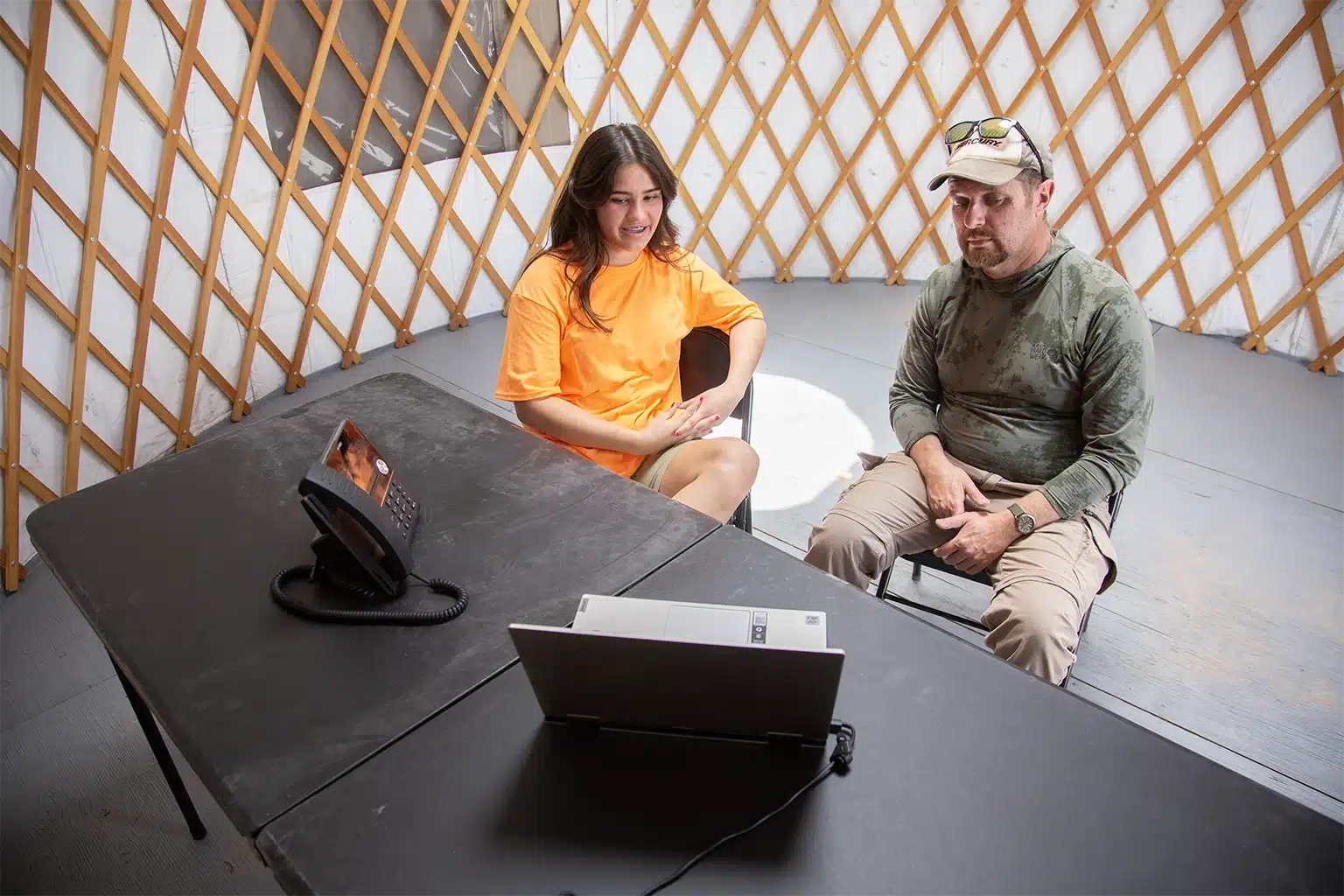
At ThreePeaks Ascent, your teen will receive top-level treatment from our team of master’s-level clinicians who are trained in clinical mental health, social work, and psychology. Our team of therapists has decades of combined work experience, working with adolescents and families facing complex behavioral, emotional, and mental health challenges. Their experience specializes in areas like anxiety, depression, trauma, ADHD, neurodiversity, attachment issues, family relationships, and more.
Our therapists use evidence-based therapeutic modalities, including CBT, DBT, EMDR, trauma-focused therapies, family therapy, and experiential therapy. They will tailor treatment to your teen and their needs.
Our Evidence-Based Therapeutic Approaches
- CBT & DBT
- Narrative Therapy
- Trauma-Focused Care
- Family Systems
Providing Quality Care: Accreditations and Credentials
Providing quality care to your teen and your family is our top commitment and priority. At ThreePeaks Ascent, residential treatment is backed by established standards for care, education, and ongoing research.

The Joint Commission Accredited: ThreePeaks Ascent is accredited by The Joint Commission.

Full member of the National Association of Therapeutic Schools and Programs (NATSAP), which ensures regulation of programs that serve children and adolescents.

ThreePeaks Ascent is fully licensed in the state of Utah.

Cognia Accredited: Our program is accredited by Cognia, supporting our commitment to quality educational standards.

Choose Mental Health: ThreePeaks Ascent is recognized by Choose Mental Health for its commitment to quality care for youth and families.
How Do You Know If Your Teen Needs Residential Treatment?
A teen may need residential treatment when emotional, behavioral, or mental health challenges are affecting their safety, relationships, school performance, or daily life, and outpatient therapy hasn’t been enough to create lasting change.
Is my child just being a "teenager" or do they need professional help?
If you have recently noticed any sudden changes in their mood or behavior, or if you have any concerns, consult a therapist. Even if your teen’s struggles are common, a mental health professional can help you know how to help your child. They can also help you know if your teen could benefit from a short-term residential treatment program.
Some teen behaviors may be a sign that your teen has an underlying problem that needs immediate help. You shouldn’t wait for these problems to go away on their own because they will most likely get worse without professional help.
These warning signs indicate you should seek professional help for your struggling teen:
- Significant changes in mood or behavior
- Isolating From Peers or Family
- Codependency/Unhealthy Relationships - Increasingly Influenced by Negative Friends
- Difficulties with School - Failing School, School Refusal, or Severe School Anxiety
- Difficulty in Parent or Sibling Relationships
- Inappropriate or Explosive Anger
- Increasing Defiance
- Overuse of Technology or Social Media
- Engaging in Risky Behaviors
- Sexually Acting Out
- Victim of Bullying or Another Traumatic Event
- Suicidal Thoughts or Self-harm/cutting
- Running Away
- Non-responsive to Outpatient Therapy
- Had a Mental Health Professional Recommend a Treatment Program
Exclusionary criteria for ThreePeaks Ascent include:
- Teens younger than 12 and older than 17
- Teens with a physical limitation, i.e. wheelchair, crutches, etc.
- Teens with conditions that need intensive medical care or monitoring, i.e. eating disorders, diabetes, etc.
- Teens with a history of violence or who have engaged in serious sexual assault
- Teens with current psychosis or who have been diagnosed with schizophrenia

As ThreePeaks Ascent therapist Dr. Matt Hoag, PhD, explains:
“One of the beauties of being in nature is that we don’t have those distractions. Nature requires a presentness of us that’s different than when we have our devices or the coping mechanisms we rely on in everyday life.”
At ThreePeaks Ascent, teens work with experienced therapists through individual, group, and family therapy designed to help them create meaningful progress in weeks, not months.”
Professional Insights & Success Stories
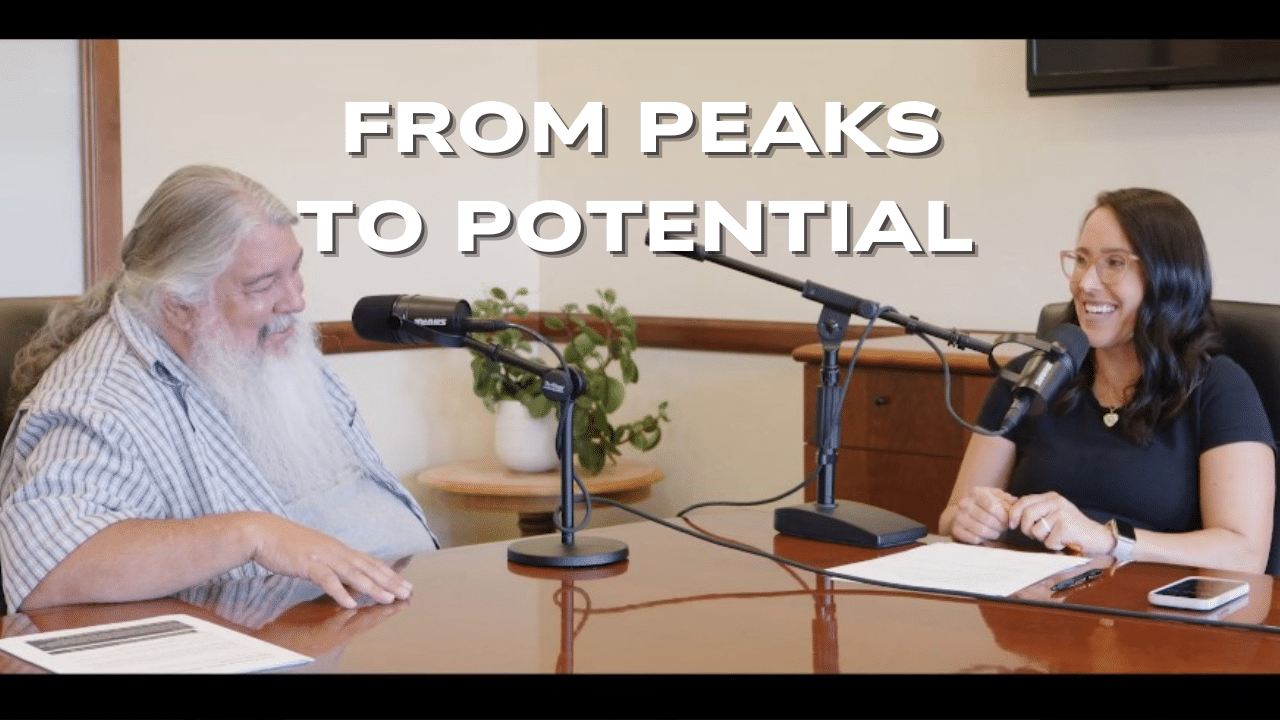
Join podcast host, therapist Tiffany Silva Herlin, LCSW, as she interviews mental health professionals from ThreePeaks Ascent in this parent-focused series. Discover practical insights and real solutions for helping your struggling teen disconnect from technology, reconnect with themselves, and find their path forward through nature-based therapy.
From Peaks to Potential: A ThreePeaks Ascent Podcast
Mark of Quality Care
ThreePeaks Ascent is accredited by The Joint Commission which ensures programs adhere to the highest quality of clinical and medical practices.

Frequently Asked Questions
Families agree to a 30-day minimum stay. The average student stay is 80 days. But some students will stay longer, depending on how quickly they respond to therapy.